


Testosterone is an essential hormone in a man’s body, playing a key role in everything from muscle mass to libido to mood. But as men age, testosterone levels can naturally start to decline, and when they drop too low, it can affect both physical and emotional well-being.
The tricky part? The signs of low testosterone (often called “low T”) aren’t always obvious.
So, how do you know if your testosterone levels are lower than they should be?
Let’s walk through some of the common signs and symptoms to look out for.
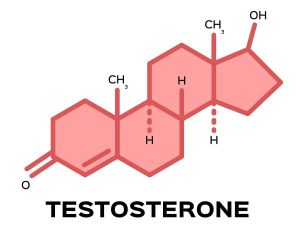
What is Testosterone and Why Does it Matter?
Testosterone is often referred to as the male hormone, although women also produce it in smaller amounts. In men, testosterone plays a critical role in:
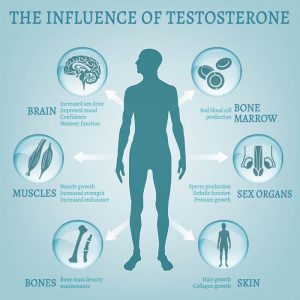
- Building and maintaining muscle mass and strength.
- Supporting bone density and healthy bones.
- Regulating libido (sexual desire) and reproductive health.
- Maintaining mood and mental clarity.
As men age, testosterone levels naturally begin to decline—typically starting in their 30s and decreasing gradually throughout life. But it’s not just age that can lead to low testosterone levels.
Health conditions like obesity, diabetes, and even stress can contribute to testosterone imbalance.
Common Causes of Low Testosterone in Men.
Low testosterone can happen for several reasons, and understanding the root cause can help you address it more effectively.
Here are a few common causes:
- Aging: The natural decline of testosterone starts after the age of 30, and levels can decrease by 1% to 2% every year.
- Obesity: Extra body fat, especially around the abdomen, can cause your body to convert testosterone into estradiol, further lowering your testosterone levels.
- Medical conditions: Chronic illnesses like diabetes, high blood pressure, and sleep apnea can all impact testosterone production.
- Stress: High levels of stress increase cortisol (the stress hormone), which can suppress testosterone.
- Lifestyle factors: Poor diet, lack of exercise, alcohol use, and smoking all contribute to hormonal imbalances that affect testosterone. Many men also work shift work with alternating schedules, which can greatly affect testosterone production.
Signs and Symptoms of Low Testosterone
When testosterone levels drop, a number of physical, sexual, and emotional symptoms can arise. Here’s a breakdown of the most common signs:
Mood and Psychological Symptoms:
Irritability, mood swings, or depression: Low testosterone can cause significant mood changes. You might feel irritable, experience mood swings, or even feel more down or depressed than usual.
Difficulty concentrating or brain fog: Testosterone influences cognitive functions. When levels dip, it can result in difficulty focusing, memory problems, or feeling like you’re in a mental fog.
Decreased motivation or drive: Low T can lead to a lack of motivation, both physically and emotionally. You may notice that you no longer have the drive to do things you once enjoyed, whether it’s exercise, work, or hobbies.
Low energy or fatigue: Feeling constantly tired, even after a full night’s sleep, is a common symptom of low testosterone. Your energy levels might plummet, making it hard to get through the day without feeling drained.
Physical Symptoms:
- Reduced muscle mass and strength: Testosterone is responsible for building muscle, so low levels can lead to a noticeable decrease in strength and muscle mass. You might find it harder to gain muscle even with regular exercise.
- Increased body fat: Low testosterone is linked to an increase in body fat, particularly around the abdomen. You may notice that you’re carrying extra weight in places you didn’t before, even if you haven’t changed your diet or exercise routine.
- Decreased bone density: Testosterone plays a role in maintaining bone health, and lower levels can lead to thinner bones, increasing the risk of fractures or osteoporosis.
- Hot flashes and sweating: Men with low testosterone sometimes experience hot flashes, similar to what women experience during menopause. You may feel sudden waves of heat, especially at night, leading to excessive sweating.

Sexual Symptoms
- Reduced libido (sexual desire): One of the most noticeable signs of low testosterone is a decrease in sexual desire. You may find that you’re not as interested in sex as you used to be, or you might lose your desire altogether.
- Erectile dysfunction or difficulty achieving an erection: Testosterone plays a key role in erectile function. Low levels can lead to difficulty getting or maintaining an erection, Likely due to a lack of sexual arousal
- Decreased frequency of morning erections: Morning erections, or “morning wood,” are a natural occurrence in healthy men. A decrease in these can be a sign of low testosterone.
How Low Testosterone Affects Your Health
Low testosterone isn’t just about the way you feel, it can also affect your long-term health. If left untreated, the consequences of low testosterone can have a significant impact:
- Cardiovascular health: Low testosterone is linked to an increased risk of heart disease. Testosterone helps maintain a healthy heart, and low levels have been associated with higher levels of fat in the blood, which can clog arteries.
- Osteoporosis: Low T leads to decreased bone density, which increases the risk of osteoporosis (fragile bones) and fractures.
- Decreased muscle mass and strength: Over time, untreated low testosterone can lead to a significant loss of muscle mass, making everyday activities more difficult.
- Increased body fat: Men with low testosterone often see an increase in abdominal fat, which can contribute to further health problems, including metabolic syndrome.

When to See a Doctor
If you notice any of the symptoms mentioned above, it’s a good idea to consult with a healthcare provider. While some changes are part of the natural ageing process, others could indicate a more serious issue that requires medical intervention.
A doctor will likely perform a blood test to measure your testosterone levels. If your levels are low, they may discuss treatment options, which could include:
- Testosterone replacement therapy (TRT): Directly replacing your testosterone in your body with injections, gels, or nasal sprays.
- hCG monotherapy: A unique treatment that avoids the use of exogenous androgens and instead stimulates your testes to produce more testosterone naturally, therefore preserving fertility and testicular function.
- Lifestyle changes: Your doctor might recommend changes in diet, exercise, or stress management to naturally boost testosterone.
Don’t ignore persistent symptoms—getting help sooner rather than later can make a big difference in your overall well-being.
Conclusion
Low testosterone can significantly impact a man’s life, but the good news is that recognizing the signs early can help you take action. If you’re experiencing symptoms like fatigue, reduced libido, mood swings, or changes in muscle mass, it might be time to check your testosterone levels.
Consulting with a healthcare provider is the best way to get an accurate diagnosis and explore treatment options. Remember, you don’t have to simply live with these symptoms—taking control of your health today can lead to better energy, improved mood, and a higher quality of life tomorrow.
So, if you’re feeling off, don’t hesitate to ask yourself: “Could low testosterone be the cause?” Your health is worth it.
REFERENCES
- Vale Health Clinic. (2023, August 17). The Link Between Testosterone and Body Composition. Vale Health Clinic. https://valehealthclinic.co.uk/the-link-between-testosterone-and-body-composition/
- Hoffman, M. (2023, August 10). Low Testosterone and Sex Drive. WebMD. https://www.webmd.com/men/how-low-testosterone-can-affect-your-sex-drive
- Corona, G & Maggi, M. (2009, December 08). The role of testosterone in erectile dysfunction. Nature reviews urology. https://www.nature.com/articles/nrurol.2009.235
- Can Low Testosterone Cause Anxiety and Depression? 2022 https://health.clevelandclinic.org/low-testosterone-and-mental-health
- Hicks, T. (2024, May 13). Low testosterone can affect heart health and increase mortality risk, studies finds. MedicalNewsToday. https://www.medicalnewstoday.com/articles/low-testosterone-can-affect-heart-health-and-increase-mortality-risk-study-finds
- Cohen PG. Obesity in men: the hypogonadal-estrogen receptor relationship and its effect on glucose homeostasis. Med Hypotheses. 2008;70(2):358-60. DOI: https://doi.org/10.1016/j.mehy.2007.05.020


